2026-11-05 · Tom Reyes
Mold After a Leak: What Texas Panhandle Homeowners Should Know
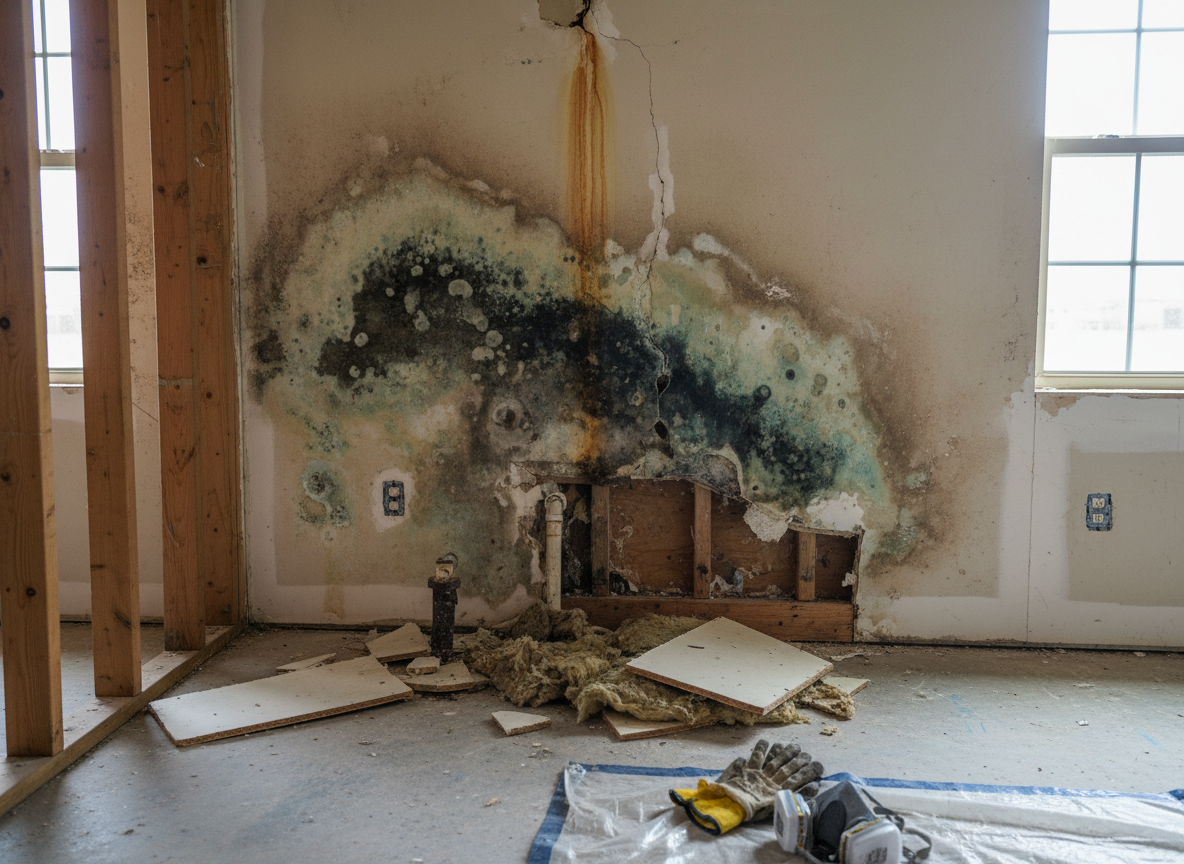
Mold can begin growing within 24 to 48 hours after water from a leak contacts porous materials in Amarillo homes, especially when humidity lingers in the semiarid climate with hot summers and cold winters.
Understanding Mold Growth Timelines in the Panhandle
In Potter County, leaks from burst pipes or roof issues often go unnoticed in older homes built before 1970 that dominate neighborhoods such as Wolflin and Plemons-Eakle. Water seeps into hardwood floors, drywall, and carpet padding, creating conditions where spores activate quickly once temperatures rise above 70 degrees. Homeowners in Downtown Amarillo report visible colonies forming on baseboards within three days during summer months when hot air holds more moisture. The semiarid climate with cold winters slows evaporation outdoors but traps humidity indoors once heating systems run. This timeline means action within the first day can prevent colonies from spreading behind walls. Delaying extraction allows mold to penetrate insulation and subfloors common in The Colonies subdivision. Local terrain with flat lots around Route 66 Historic District means poor drainage that keeps soil moisture high after winter storms, feeding hidden growth. Tracking these hours matters because small leaks in crawl spaces under Amarillo Civic Center area homes expand fast once summer heat returns.
Impact of Local Climate and Housing on Mold Risks
Amarillo's semiarid climate with hot summers and cold winters creates cycles that trap moisture inside walls after leaks. Older housing stock in Wolflin features plaster and lathe that absorbs water differently than modern drywall, holding dampness for weeks. Cold winter nights cause condensation on pipes in uninsulated basements common near Cadillac Ranch, restarting mold cycles each season. Flat terrain in Potter County limits natural runoff, so water from nearby Borger storms pools against foundations in Plemons-Eakle. This leads to repeated saturation in slab homes throughout The Colonies. Hot summer winds dry surfaces fast but drive humidity into attics, where leaks from Route 66 Historic District roofs go undetected. Homeowners near Canyon often see faster growth because higher elevation brings slightly more rainfall than central Amarillo. These patterns require checking behind appliances and in closets within 48 hours rather than waiting for odors. Soil conditions with clay-heavy ground retain water longer than sandy areas, keeping crawl spaces damp through winter.
Recognizing and Addressing Mold in Amarillo Neighborhoods
Signs of mold after a leak appear first as musty smells in Wolflin homes with original hardwood floors that trap water under carpet. Discolored drywall near windows signals hidden colonies in Plemons-Eakle properties where cold winters force indoor humidity spikes. Residents in Downtown Amarillo notice black spots on baseboards within four days when leaks from older plumbing meet summer heat. The Colonies subdivision sees growth along slab edges because flat lots hold rainwater against foundations. Checking under sinks and around water heaters in The Colonies reveals early patches before they reach living spaces. Homeowners near the Amarillo Civic Center should inspect attics after cold snaps, as temperature swings promote condensation. In Borger and Canyon, similar patterns emerge from shared regional weather. Addressing visible growth requires removing affected materials rather than surface cleaning alone, since spores travel through HVAC systems common in these neighborhoods.
Practical Steps for Homeowners After a Leak
Stop the water source immediately, then extract standing water with fans and dehumidifiers before mold sets in. Document the leak location and affected rooms in Potter County homes, noting materials like carpet in Wolflin properties. Open windows during dry periods but avoid this in humid summer months when outdoor air adds moisture. Remove and discard porous items such as soaked drywall within 48 hours to limit spread. Monitor humidity levels below 50 percent using inexpensive meters in areas like The Colonies where slab leaks recur. Contact professionals for hidden moisture behind walls in older Plemons-Eakle homes rather than attempting DIY drying that often misses subfloor saturation. For related guidance on flooded carpets, see What to Do When Your Amarillo Carpet Gets Flooded. Track costs early by reviewing How Much Does Water Damage Restoration Cost in Amarillo? before colonies require more extensive work.
When Professional Intervention Becomes Necessary
When mold covers more than 10 square feet or appears behind walls after a leak, homeowners in Amarillo need trained crews for safe removal. Properties in Wolflin with plaster construction often hide growth that standard fans cannot reach. Water Damage Restoration teams use moisture meters to locate saturation in The Colonies slabs before it fuels further colonies. Mold Remediation addresses spores that travel through shared walls in Plemons-Eakle duplexes. Delaying this step allows spread into insulation common in Downtown Amarillo homes near the Amarillo Civic Center. Structural Drying & Dehumidification prevents recurrence during cold winters when heating systems circulate air. Residents near Borger and Canyon benefit from the same approach given identical regional conditions. Proper extraction within the first 48 hours limits the job to drying rather than full material replacement.